Scan to download
BTC $68,825.64 +3.65%
ETH $2,047.57 +4.98%
BNB $618.95 +0.78%
XRP $1.41 +3.12%
SOL $84.28 +7.65%
TRX $0.2819 +0.78%
DOGE $0.0966 +3.85%
ADA $0.2727 +3.06%
BCH $563.88 +12.16%
LINK $8.76 +4.08%
HYPE $31.59 +1.53%
AAVE $118.72 +3.26%
SUI $0.9603 +3.85%
XLM $0.1644 +5.07%
ZEC $267.68 +14.82%
BTC $68,825.64 +3.65%
ETH $2,047.57 +4.98%
BNB $618.95 +0.78%
XRP $1.41 +3.12%
SOL $84.28 +7.65%
TRX $0.2819 +0.78%
DOGE $0.0966 +3.85%
ADA $0.2727 +3.06%
BCH $563.88 +12.16%
LINK $8.76 +4.08%
HYPE $31.59 +1.53%
AAVE $118.72 +3.26%
SUI $0.9603 +3.85%
XLM $0.1644 +5.07%
ZEC $267.68 +14.82%

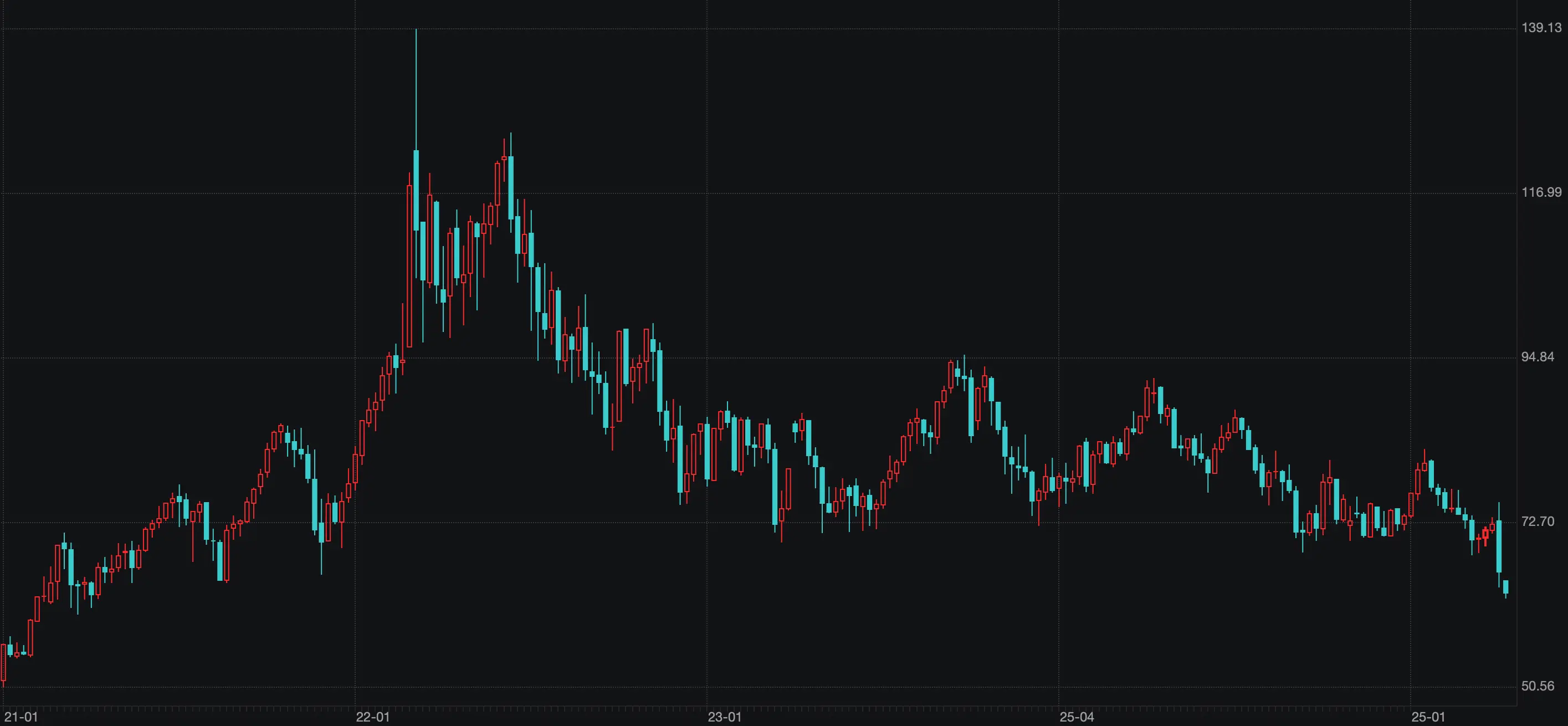
microstrategy

Analysis: $70,000 - $80,000 is a weak zone for BTC prices, and the consolidation event may be prolonged

According to CoinDesk, based on limited historical trading activity and on-chain supply, the BTC price may further consolidate or retest lower ranges. Since the drop over the weekend, the price of Bitcoin has been confined between $70,000 and $79,999 for five consecutive days. Bitcoin has spent a total of about 35 days within this $10,000 price range, making it one of the shortest durations, indicating that the price tends to move quickly through this area rather than establishing sustained support or resistance.The price is more likely to consolidate within this range or move down again before establishing a more solid foundation. In April of last year, Bitcoin rebounded after spending only a few weeks below $80,000. Similarly, when it reached a high near $73,000 in March 2024, it spent a short time at that level before starting to decline. A notable example occurred in November 2024, when the price surged from about $68,000 to $100,000 within weeks, with almost no consolidation in the $70,000 to $80,000 range.MicroStrategy (MSTR), the largest corporate holder of Bitcoin, made only one purchase within this price range. On November 11, 2024, the company acquired 27,200 BTC for approximately $2 billion, at an average price of $74,463. Data shows that there is a supply gap between $70,000 and $80,000, indicating that this area remains structurally weak.

4E: Japan's interest rate hike expectations trigger a chain reaction, Bitcoin falls below 84,000, and the end of QT by the Federal Reserve becomes a key variable

According to 4E observations, market sentiment suddenly turned cold on December 1, with Bitcoin briefly dropping to $83,786, a nearly 30% decline from the early October peak. The core trigger came from a sharp rise in expectations for a rate hike by the Bank of Japan: traders priced in a 76% chance of a rate hike in December, and nearly 90% for January next year. After Ueda Kazuo signaled "preemptive tightening," Japan's two-year government bond yield rose to a 16-year high, and funds began to rapidly adjust for a potential policy shift. The rate hike expectations have backfired on global risk assets, with yen carry trades seen as a potential systemic risk point—markets still remember the turmoil caused by the yen's sharp rise in August this year, which triggered a global chain sell-off.Another heavy blow came from MicroStrategy (MSTR). The company announced a cash reserve of $1.44 billion and for the first time acknowledged the possibility of selling Bitcoin under certain conditions, shaking its core narrative of "never selling." The stock plummeted by 12% at one point. Although it still increased its holdings by 130 BTC last week, the pressure from debt combined with market turbulence has made sentiment more sensitive.On the macro front, the probability of a 25bp rate cut by the Federal Reserve in December rose to 87.6%, and QT will officially end today. Over the past two years, QT has withdrawn more than $2 trillion in liquidity, and stopping the balance sheet reduction is seen as a key event for the current liquidity bottom, which may help ease short-term market panic.4E Commentary: The expectations of a rate hike in Japan and MSTR's "selling" hint have triggered a rapid repricing of sentiment, compounded by declining trading volumes and the looming risk of yen carry trades, leaving the short-term market in a fragile range. The end of QT by the Federal Reserve is one of the few positive signals, which will determine whether risk assets can enter a "policy buffer period." A restoration of risk appetite will need to wait for the implementation of Japanese policies and a stabilization signal from BTC to resonate.
app_icon
ChainCatcher Building the Web3 world with innovations.